
- by Bellari
5 Ways Proper Roofing Prevents Moisture Damage

For many New Jersey homeowners, the roof of their home is “out of sight, out of mind” — until a leak appears.
But a roof does far more than cover a house. It actually acts as the home’s first and most important defense against moisture.
When roofing systems fail, water rarely stays confined to the attic. Moisture can spread through insulation, framing, drywall, and even interior finishes. That is why roofing plays such a critical role in home maintenance, remodeling, and new construction projects throughout New Jersey.
If you are planning a renovation or evaluating your home’s condition, understanding how roofing systems prevent moisture damage can help you avoid costly repairs later. Here are five key ways proper roofing protects your home.
1. Proper Roofing Materials Shed Water Efficiently
The most obvious job of a roof is to move water away from the home. Roofing materials such as asphalt shingles, metal panels, and synthetic roofing systems are designed to create a durable outer barrier that directs rain and melting snow down the slope of the roof.
In New Jersey, where homes can face heavy rainstorms, coastal weather systems, and winter snow accumulation, this water-shedding ability is essential. Roofing materials are installed in overlapping layers so that gravity naturally guides water downward and off the structure.
When roofing materials age or become damaged, however, this protective system begins to weaken. Missing shingles, cracked or worn materials, or damaged surfaces can allow moisture to seep beneath the roof covering.
For a homeowner planning a remodeling or renovation project, evaluating roofing materials is an important step in preventing long-term moisture issues.
2. Underlayment Adds a Second Layer of Protection
While shingles or panels form the visible surface of a roof, an equally important layer sits beneath them. Roofing underlayment acts as a secondary barrier that protects the home if water penetrates the outer roofing layer.
Modern underlayment materials are designed to resist water infiltration while allowing moisture vapor to escape. This combination helps keep roof decking dry while reducing the risk of trapped moisture.
According to residential construction research from the National Association of Home Builders, underlayment plays a crucial role in preventing water intrusion during severe weather events.
For homeowners in New Jersey, where wind-driven rain can accompany strong storms, this extra layer of protection provides valuable peace of mind.
3. Flashing Protects the Roof’s Most Vulnerable Areas
Even the best roofing materials cannot protect every part of a roof on their own. Certain areas — such as roof valleys, chimneys, skylights, and vent penetrations — create areas and openings where water can collect.
“Flashing” is the name for the thin layer of material (often metal) installed around these vulnerable areas. Its job is to direct water away from seams and joints. Proper flashing installation ensures that rainwater flows safely around roof features instead of seeping into the structure.
When flashing becomes loose, corroded, or has been improperly installed, leaks can develop. In many homes, flashing failure is one of the most common causes of moisture damage.
During a home renovation or roofing upgrade, experienced contractors pay close attention to flashing details to ensure long-term protection.

4. Proper Ventilation Prevents Hidden Moisture Problems
Not all moisture damage begins with a roof leak. In many homes, condensation forms inside the attic when warm indoor air meets cooler roof surfaces.
Without proper ventilation, this trapped moisture can accumulate over time. Insulation may become damp, wood framing can deteriorate, and mold growth may develop in enclosed spaces.
A well-designed roofing system includes intake and exhaust ventilation that allows air to circulate through the attic. This airflow helps regulate temperature while preventing moisture buildup.
The U.S. Department of Energy notes that balanced attic ventilation is essential for maintaining both roofing durability and indoor air quality.
For New Jersey homeowners, ventilation becomes particularly important during humid summers and cold winters when condensation risks are higher.
5. Gutters and Drainage Move Water Away from the Home
Even the best roofing system must work in partnership with proper drainage. Gutters and downspouts collect water as it leaves the roof and channel it safely away from the house.
Without effective drainage, rainwater can pool along roof edges or flow directly down exterior walls. Over time, this excess moisture can damage siding, windows, and foundations.
During a remodeling or exterior renovation project, homeowners often upgrade gutters to improve water management. Larger gutter systems, secure downspouts, and proper grading around the home all contribute to better moisture control.
When roofing and drainage systems work together, they create a complete defense against water intrusion.
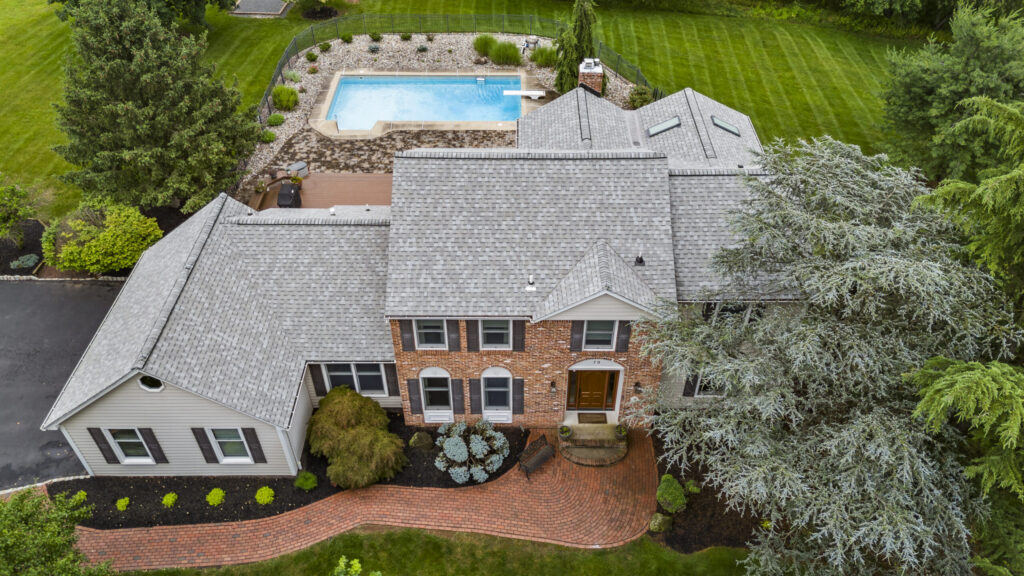
Protecting Your Home from the Top Down
Moisture damage is one of the most common and costly issues in residential construction. What often begins as a small roofing problem can eventually affect structural framing, insulation, and interior finishes.
For homeowners in New Jersey, investing in proper roofing design, quality materials, and professional installation is one of the best ways to protect a home for the long term.
Whether you are planning a full renovation, upgrading an aging roof, or beginning a new construction project, a well-designed, properly installed roofing system helps keep moisture where it belongs — outside.
If you’re considering a roofing replacement, Bellari Home Remodeling can help you evaluate your roof and recommend high-quality solutions built for long-term durability. Contact Bellari today to schedule a consultation and protect your home from the top down. Call 908-895-6436 or visit bellarinj.com.